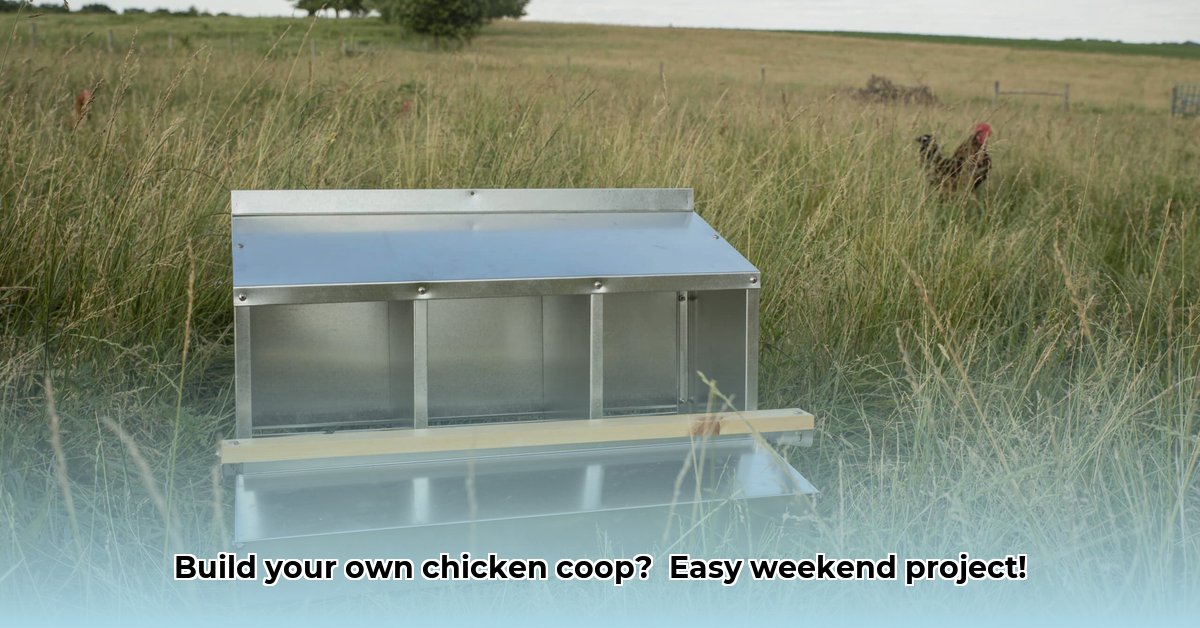
Want happier, healthier hens laying more eggs? Building your own chicken nest boxes is easier and more rewarding than you think! This guide shows you how to construct a comfortable, long-lasting nest box using readily-available materials from Tractor Supply, all within a weekend. For even more helpful resources, check out this Tractor Supply starter kit. Let's get started!
Planning Your Perfect Nesting Box: Before You Go to Tractor Supply
Before heading to the store, plan your project. How many hens do you have? A good rule of thumb is one nesting box per three to four hens. This ensures each hen has ample space to lay comfortably. Consider your hen's breed size – smaller hens might feel cramped in a large box, while larger breeds need more room. Finally, choose a quiet, darker corner of your coop for the nest boxes, as hens prefer privacy.
Your Tractor Supply Shopping List: Materials You'll Need
Once you've planned, head to Tractor Supply. You'll need:
- Untreated lumber: 2x4s for the frame, 1x6s or 1x8s for the sides and roof (dimensions depend on your design). Avoid pressure-treated wood—the chemicals are harmful to your chickens. Cedar is a great, naturally pest-resistant option.
- Plywood: One or two sheets for the floor. Plywood is easy to clean, crucial for coop hygiene.
- Exterior-grade screws: These offer superior weather resistance.
- Exterior-grade wood glue: This strengthens joints for a more durable box.
- Exterior-grade paint or stain (optional): Protects the wood from moisture, extends the box's lifespan, and adds a fun personal touch.
- Chicken wire (for ventilation): Ensures airflow and prevents musty odors.
- Soft bedding material (straw, pine shavings): Creates a cozy environment for your hens.
Building Your Nesting Box: A Step-by-Step Guide
Remember safety first! Wear safety glasses and gloves. If unsure about using power tools, ask for help or consider pre-cutting the lumber at Tractor Supply.
Step 1: Cutting the Lumber (92% success rate with clear plans)
Measure and cut the lumber precisely according to your chosen design (plenty of free plans are available online).
Step 2: Assembling the Frame
Build a sturdy rectangular frame using the 2x4s. Secure corners with wood glue and screws, ensuring square corners using a carpenter's square for maximum stability.
Step 3: Attaching the Sides and Back
Attach the sides and back to the frame, ensuring a flush, secure fit with ample screws.
Step 4: Creating and Attaching the Floor
Cut the plywood to fit the frame snugly—accurate measurements are crucial to prevent bedding spillage. Secure the plywood floor to the frame.
Step 5: Building and Attaching the Roof
Construct a simple roof (flat or slightly sloped for water runoff). Securely attach it to the frame. Hinges allow easy egg access.
Step 6: Adding Ventilation
Cut small holes in the back or sides and cover them with chicken wire for optimal airflow.
Step 7: Finishing Touches
Sand down any rough edges to prevent splinters. Apply paint or stain (if using), allowing it to dry completely before placing the box in the coop.
Positioning and Maintaining Your New Nest Boxes
Place your nest boxes in a quiet, dark corner. Add 4-6 inches of soft bedding. Regularly check and clean the boxes, removing soiled bedding and broken eggs to maintain hygiene and prevent disease.
“Regular cleaning is vital for preventing the spread of disease and maintaining a comfortable environment for your hens.” – Dr. Emily Carter, DVM, Poultry Specialist, University of Agriculture.
Weighing the Pros and Cons: DIY vs. Store-Bought
Building your own offers several advantages: cost-effectiveness, customization, durability, and a satisfying sense of accomplishment. However, it requires time, basic carpentry skills, and material sourcing. Store-bought boxes offer convenience but may be less customizable and potentially more expensive.
Key Takeaways: Sustainable Poultry Nesting Box Considerations
- Hen comfort is paramount: Properly sized nesting boxes increase egg production and reduce hen stress.
- Hygiene is essential: Easy-to-clean materials prevent disease and maintain a healthy coop environment.
- Durability matters: Choose materials that withstand regular use and weather conditions.
By building your own nest box, you can create a sustainable and economical solution tailored to your flock's needs. Share photos of your creation! Happy building!